Southern Poland: A Journey through Silesia and Małopolska
The Phoenix of Europe
In the late 14th century when Poland was literally wedded to Lithuania, the combined countries were one of the greatest states in Europe, ruling from the Baltic Sea to the Black Sea. By the end of the 18th century Poland was gone, sliced up like a pie and gobbled up by three empires: Russia, Prussia, and Austria-Hungary. Those national and political conflicts help turn Poland into the Eastern Front in two world wars and a prime location for Hitler’s Lebensraum policy. The WWI treaties drew borders for a reconstituted Poland, only to have them redrawn after WWII at which point, the Soviets drew down the Iron Curtain.
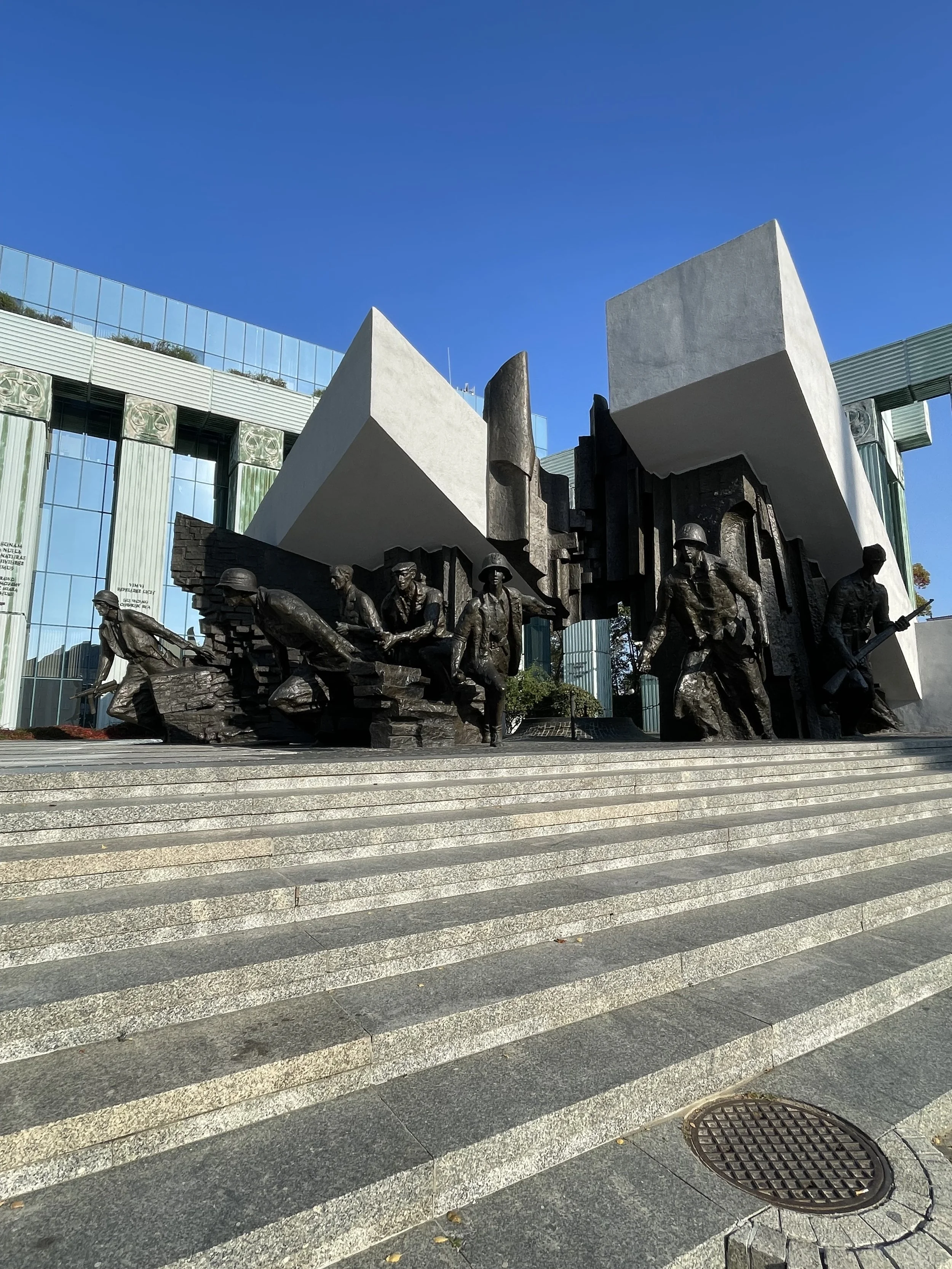
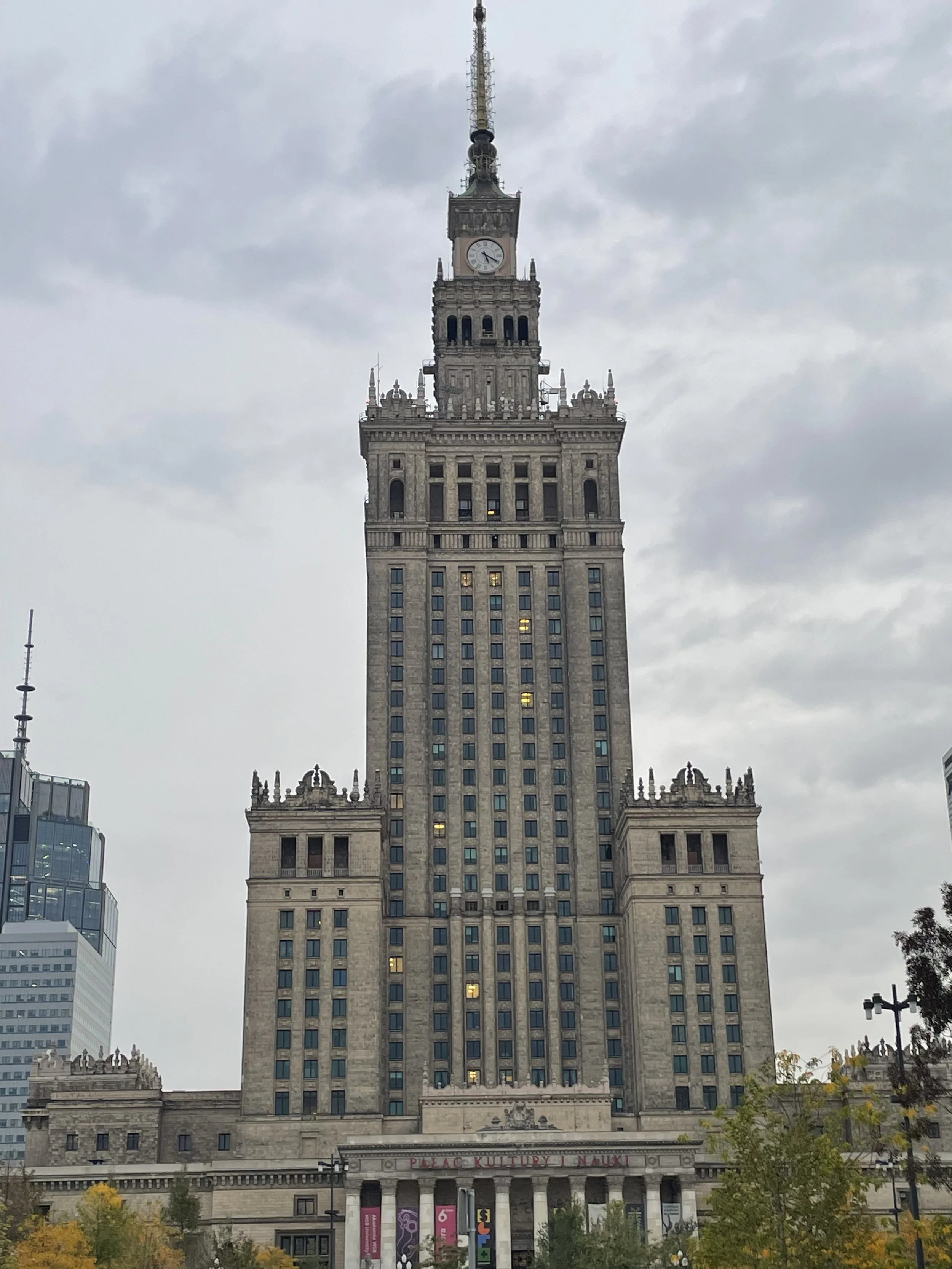
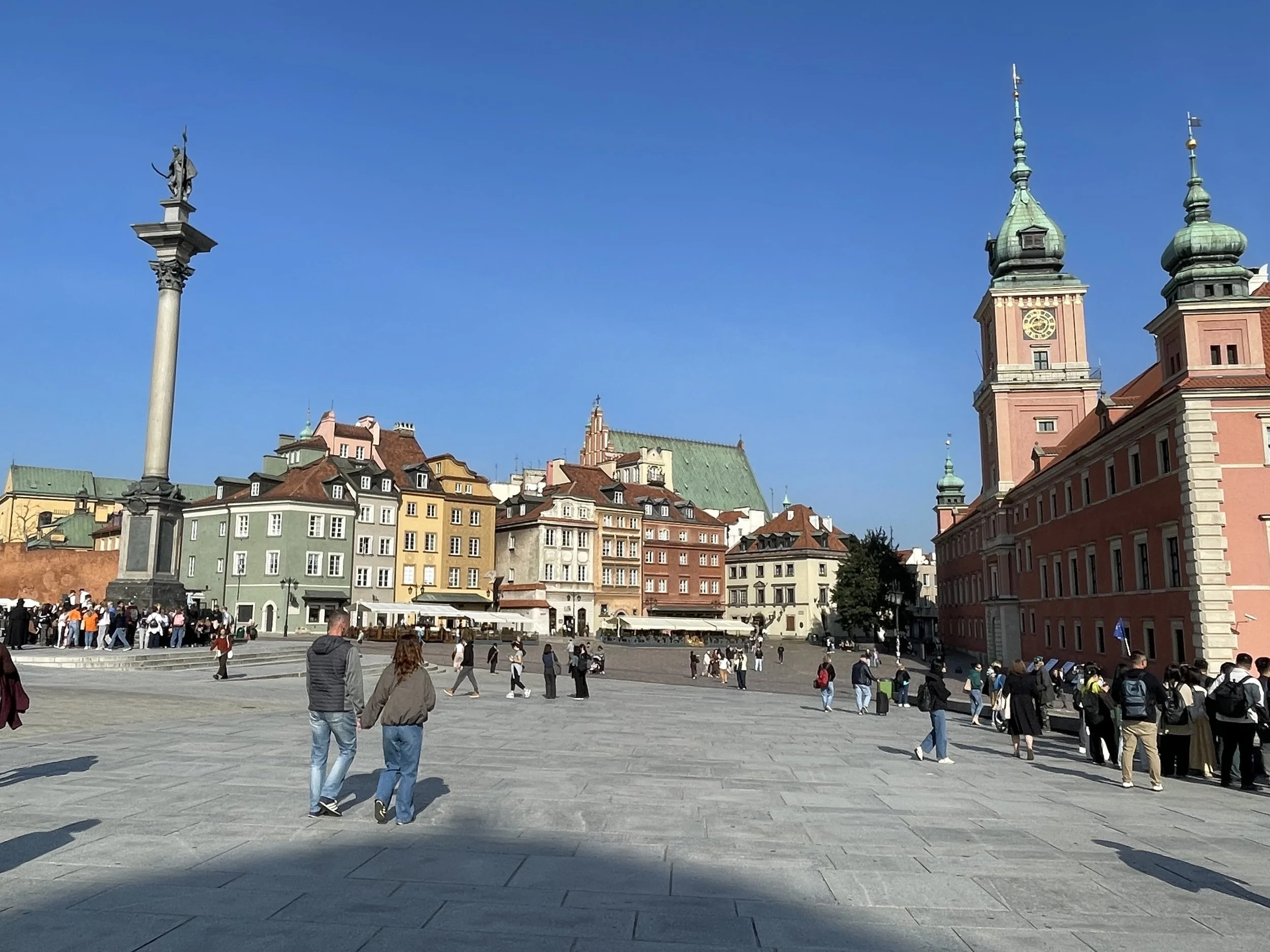
On this journey through resurrected Poland, we begin in Warsaw, the modern capital which was devastated in WWII and carefully restored across the last 80 years. It a vibrant mix of historic old towns and 21st-century urbanity, filled with potent memorials to its history. Heading west and south, we venture into Silesia which, along with neighboring Bohemia, was one of Europe’s great glassmaking regions. We stay two nights in Wrocław, a lively university town with a medieval town square, romantic streets, and beer-brewing tradition. We stop at Zamek Książ, one of Poland’s largest castles, with a maze of mysterious Nazi tunnels beneath it. We make a brief pilgrimage to Czestochowa, home to a 14th-century monastery that is one of the important Polish religious sites. On the way to Kraków, we meander along the Eagles Nest Trail, a 60-kilometer mountain defensive line dotted with dozens of fortifications, parks, and villages and take a short hike between two castles. We end in Poland’s Renaissance capital, Kraków, miraculously spared from war and retaining its architectural glory. It is a city with so many historical and cultural riches that four days is barely enough to take them all in. Nearby Auschwitz is an optional, yet deeply meaningful, excursion.
Throughout the journey, we enjoy Polish cuisine—from traditional milk bars to contemporary restaurants—taste its many vodkas, view art and architecture from medieval to modern, absorb its history, and take in its natural wonders.
See trip preview below
-
Explore on your own
Welcome dinner at WYRAJ
-
Morning - walking tour of Old Town
Afternoon - on your own
-
Morning - optional Jewish history walking tour
Afternoon - on your own
-
Depart Warsaw
Mid-day - stop in Łódź for walking tour and lunch
Late afternoon - arrive Wrocław
-
Explore on your own
Evening - vodka tasting tour
-
Depart Wrocław
Mid-day - Jelenia Góra: regional museum and lunch
Afternoon - spa hotel at Palac Wojanów
-
Depart Wojanów
Mid-day - Książ Castle
Afternoon - Swidnica
Evening - Opole
-
Depart Opole
Late morning - Jasna Góra Monastery at Czestochowa
Afternoon - Eagles Nest Trail
Evening - arrive Kraków
-
Morning - walking tour of Old Town
Afternoon - on your own
-
On your own
or
Excursion to Auschwitz-Birkenau
-
Morning - Wieliczka Salt Mine
Afternoon - on your own
Farewell dinner at Starka
-
Item description